The National Heritage Council-funded Mashishing Marking Memories (MMM) Project is part of a slow-growing trend of heritage work that includes local interpretations of knowledge production.
This project focuses on the particularity of place and people’s experiences as it puts all forms of knowledge into operation by including diverse African languages in the readings of rock engravings across time and cultural contexts in Mashishing, Mpumalanga, South Africa.
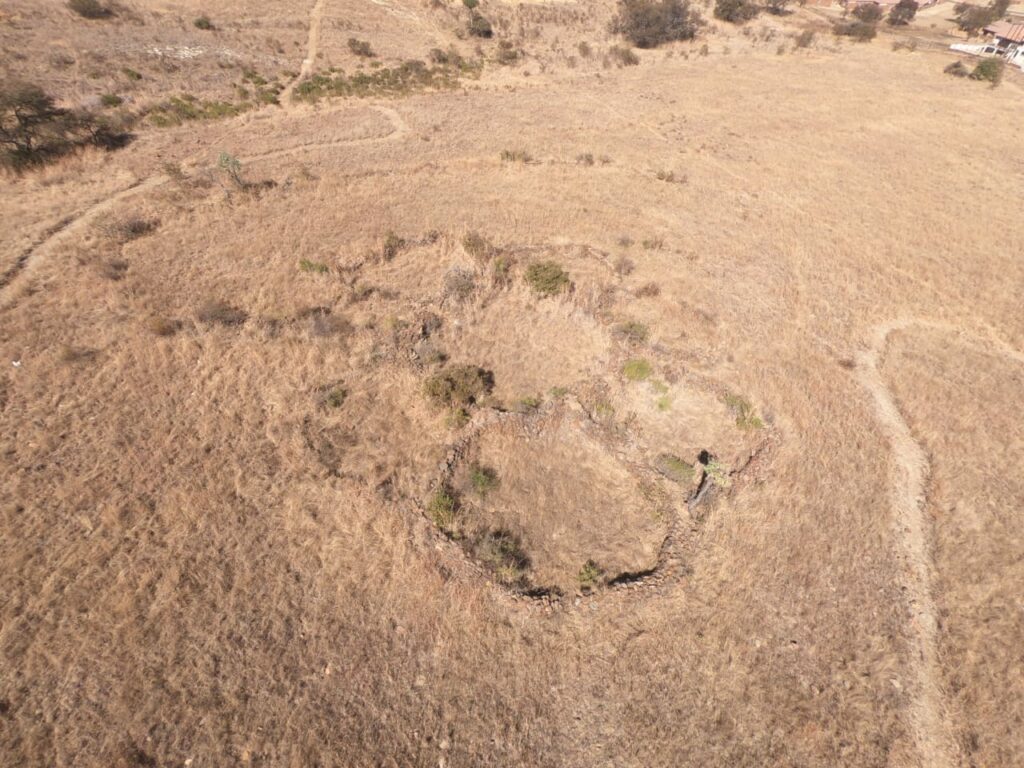
The team has established diverse oral interpretations of sites that include Late Iron Age Bakoni engravings to contemporary engravings on gravestones and bridges. The multivocal oral reception project includes skills transference workshops and the creation of an educational booklet for schools, a tourism brochure and documentary video for the popular dissemination of research findings. Noting a disconnect between ‘experts’ and local communities, the United Nation’s early post-millennial conventions, strategies and resulting literature shows culture-centred participatory development discourses. However, they are often restricted to descriptively outlining culture’s positive contributions to keeping heritage safe as a means of symbolic cultural endurance that ensures that heritage is visible, maintained and managed.
The MMM Project moves beyond this aim that may be ‘frozen in time’. It builds on the previous Centre for Communication, Media and Society (CCMS) – Art a Resource for Reconciliation Over the World in South Africa (ARROWSA) Project at Biesje Poort in the Northern Cape – that highlighted the importance of site case studies. It did this by not only recording the palimpsest of engravings and what these reveal about our common and different heritage, but also by including culturally- and economically-diverse teams that are inclusive and build the nation.
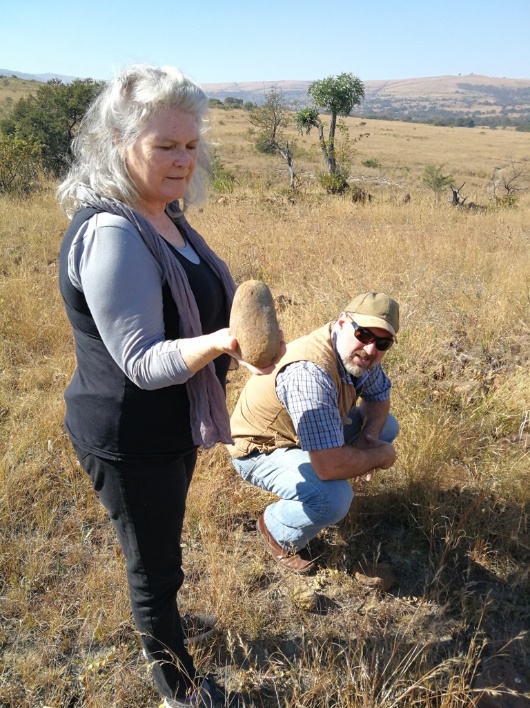
As such, the MMM Project co-constructs new knowledge by conducting participatory fieldwork with a diverse team of community members, academics, graduate students, indigenous peoples, museum staff, educators and archaeologists.
Professor Lauren Dyll of CCMS in the School of Applied Human Sciences (SAHS) leads the project in partnership with ARROWSA. Dr Mary Lange, ARROWSA Head of Funding and Kalahari Engagement Portfolios, is the project manager. Also participating in the project are ARROWSA Chairperson Luthando Ngema (School of Arts, UKZN), Bheki Dlamini (Bechet High School and ARROWSA Head of Schools Portfolio) and Miliswa Magongo (CCMS alumnus and ARROWSA Head of Media).
Other vital partners are JP Celliers (Lydenburg Museum Curator), Prof Roger Fisher (Prof Emeritus, Dept of Architecture, University of Pretoria), Qiniso Mbili (CCMS Master’s student), Isak, Lys and Dawid Kruiper (//Khomani Kalahari partners), Belinda and Oeliset Org (Kalahari partners), Shanette Martin and Nicole Sacco (South Roots International NGO), Prof David Morris (Mc Gregor Museum, Head of Archaeological Department), Pedro Dausab (Nama linguist) and Dr Julie Grant (Kalahari field facilitator, University of Johannesburg).
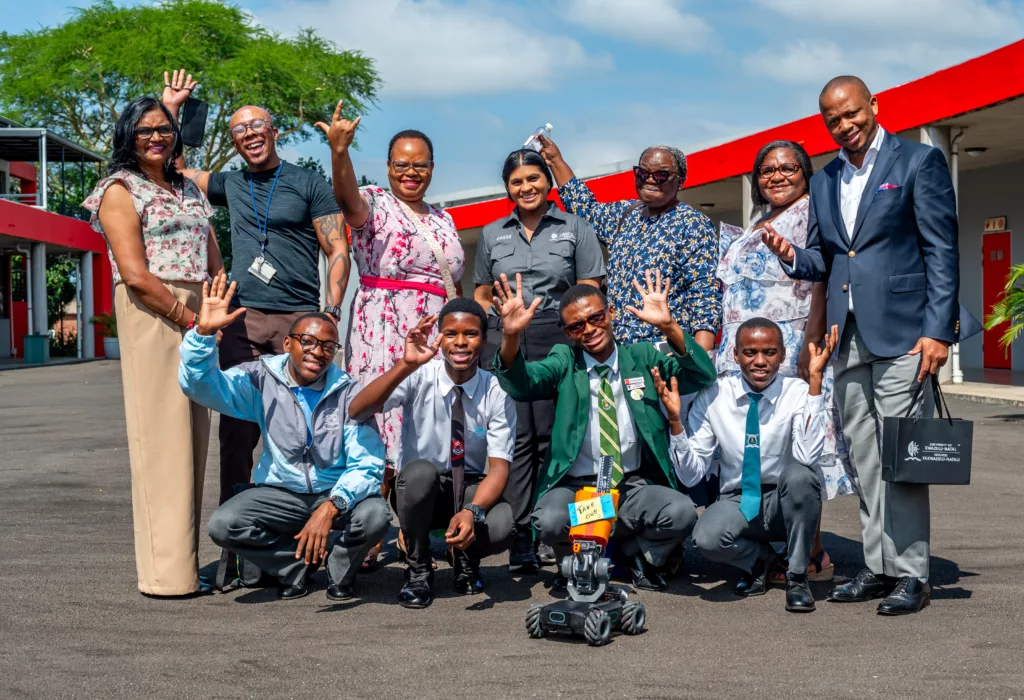
The adults and youth who are part of the reception study are from KwaZulu-Natal, Northern Cape, Western Cape, Mpumalanga and the Eastern Cape. The youth have gained knowledge and experience in research methodology, particularly interviewing, and some have been employed part-time and have developed skills in interview transcription.
Dr Julie Grant, who facilitated the fieldwork in the Kalahari, reflects on the sustainable skills transference that the project brought to the //Khomani participants: ‘The Kalahari aspect of the project allowed for time to transfer knowledge to the participating community members – something that many projects do not build into their timelines. The COVID-19 pandemic meant that in-person workshops were not possible so an iPad was supplied that enabled //Khomani (co-researchers) to participate in the online workshops. As part of the project, I showed participants the basics of using the iPad and on my return trip, I could see that they had been using it to take photos to document San knowledge. It was great to see that not only did they enjoy taking part in the actual project, but that they were able to make use of the iPad afterwards.’
Teachers and museum staff will benefit from the information disseminated in an educational booklet that will assist educators in the Mashishing area to present the curriculum to Grade 4, 5 and 6 in a place-specific manner (with reference to heritage that is within the learners’ immediate context). The booklet will be available online and also has the potential to benefit educators throughout the country as well as local tourism by attracting visitors to the area.
The broader public will benefit from the documentary video that can also be used for educational and tourism purposes. Lydenburg Museum Curator JP Celliers conducted reception interviews with a group of diverse community members and led a skills transference workshop on the tracing of engravings with Mashishing community members. These project activities and being a Mashishing resident himself resulted in his keen awareness of the opportunities that the MMM project has brought to the area.
He explained that the project has provided an opportunity “to explore the value of current oral and visual inputs in creating intangible heritage directly linked to actual heritage resources. New ideas, interpretations and insight from people representing local communities, school educators, museum staff and government officials served to provide fresh interpretations of various forms of rock art in Mashishing. This is of great value in future when heritage sites are promoted for tourism or academic audiences.”
The inclusion of community narratives in all of these outputs fosters a sense of local empowerment and historical pride. Qiniso Mbili aptly sums this up: ‘It is important for us to know what our ancestors achieved so that we are aware of what we can achieve.’
The project has created awareness among the communities as to the presence of a long-standing tradition of pre-industrial engraving on rock in their area and their relevance as heritage sites that have the potential for greater tourism and thus job creation.