The homeless community of Durban is amongst the most marginalised and vulnerable communities in the city.
This is according to Raymond Perrier, Director of the Denis Hurley Centre.
Perrier said that, over the years, there have been various complaints by the homeless of systematic police brutality in the Durban Metropolitan area at the hands of eThekwini Metro Police and officials. These range from allegations of theft of belongings, to destruction of property and abductions by the police.
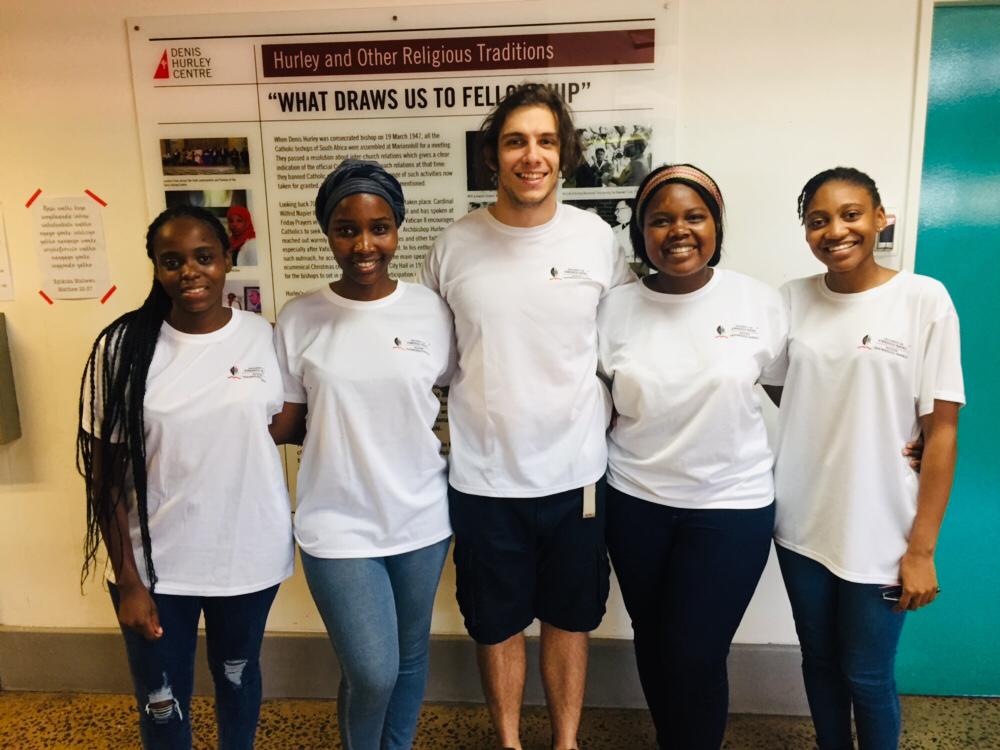
UKZN Street Law students have decided to “take a stand against such atrocities” in a bid to protect the vulnerable and uphold the rule of law.
The Street Law Programme is part of the Law School’s LLB degree and aims to educate the public on their human and constitutional rights. It targets the most vulnerable in society, including the poor, workers, young people at risk of breaking the law, street workers and the homeless and incarcerated. The programme is used as a tool to empower these individuals by making them aware of their rights and equipping them with the knowledge to defend these rights.
The Street Law Programme has partnered with the Denis Hurley Centre to document reports of police brutality against the homeless community in Durban, as well as human rights violations. Street Law students also run workshops with homeless people to educate them on their rights regarding criminal and civil law, and what to do when they are confronted by the police.
Perrier noted that the Denis Hurley Centre is the largest centre that caters to the homeless in KwaZulu-Natal. It provides freshly-cooked meals, counselling, work opportunities, a free clinic, washing machines, an internet café and many other services to assist the homeless and help them get back on their feet. Because many homeless people visit the centre, the Street Law students believed it to be the best place to collect witness statements.
Over the course of the year, the students have documented several cases of police brutality. According to student Buhle Skhosana, more than 40 cases have been documented this year alone. These range in severity, and include assaults that resulted in the need for emergency hospital treatment. Ms Thembaluthu Shange has documented allegations of police abducting homeless people from Durban as part of city ‘clean up’ operations, and dropping them in either Pietermaritzburg or Margate so that they are removed from the city for the few days it takes them to walk back to the streets they call home. It was noted that such ‘clean ups’ occur during international conferences and events.
Other cases, according to student Ms Nesiphiwo Magwaza, include allegations of destruction of ID books, clothing and collected recycling goods which are usually tossed into Durban Solid Waste trucks as the police make their sweep of the city every week, explicitly targeting the homeless community.
“This project has taught students that enjoyment and protection of human rights cannot be taken for granted, but need to be defended. I hope they are also learning about the importance of legal education and social justice activism, and the role that they can play in bringing about a more just and equal society,” said Ms Janine Hicks, Street Law lecturer.