A wave of innovation, creativity and learning swept through Hammarsdale when the Tech4Tomorrow Easter School Programme brought young learners together for a hands-on journey into the world of technology.
The event was co-ordinated by University of KwaZulu-Natal (UKZN) Mechanical Engineering PhD student, Mr Nkosingiphile Langa.
Hosted at uBhedu Primary School, the programme introduced learners to robotics, coding, responsible artificial intelligence and emerging technologies in an engaging, practical and inspiring way. The initiative was delivered in partnership with uBhedu Primary School and Counter Space Learning, a non-profit organisation committed to expanding access to future-focused education in township communities.
At its heart, Tech4Tomorrow is an innovative programme designed to expose learners to robotics and the ethical use of Artificial Intelligence (AI) under the guidance of expert tutors and facilitators. More than just a holiday activity, the programme created a space where learners could build confidence, solve problems, think creatively and begin imagining themselves as future innovators, engineers and technology leaders.
Across the three days, learners were introduced to a wide range of concepts and tools. On day one, they explored the fundamentals of robotics using LEGO Spike Prime toolkits, learning through building, teamwork and problem-solving. The hands-on activities sparked curiosity and gave learners their first practical experience of how robotics can bring ideas to life.
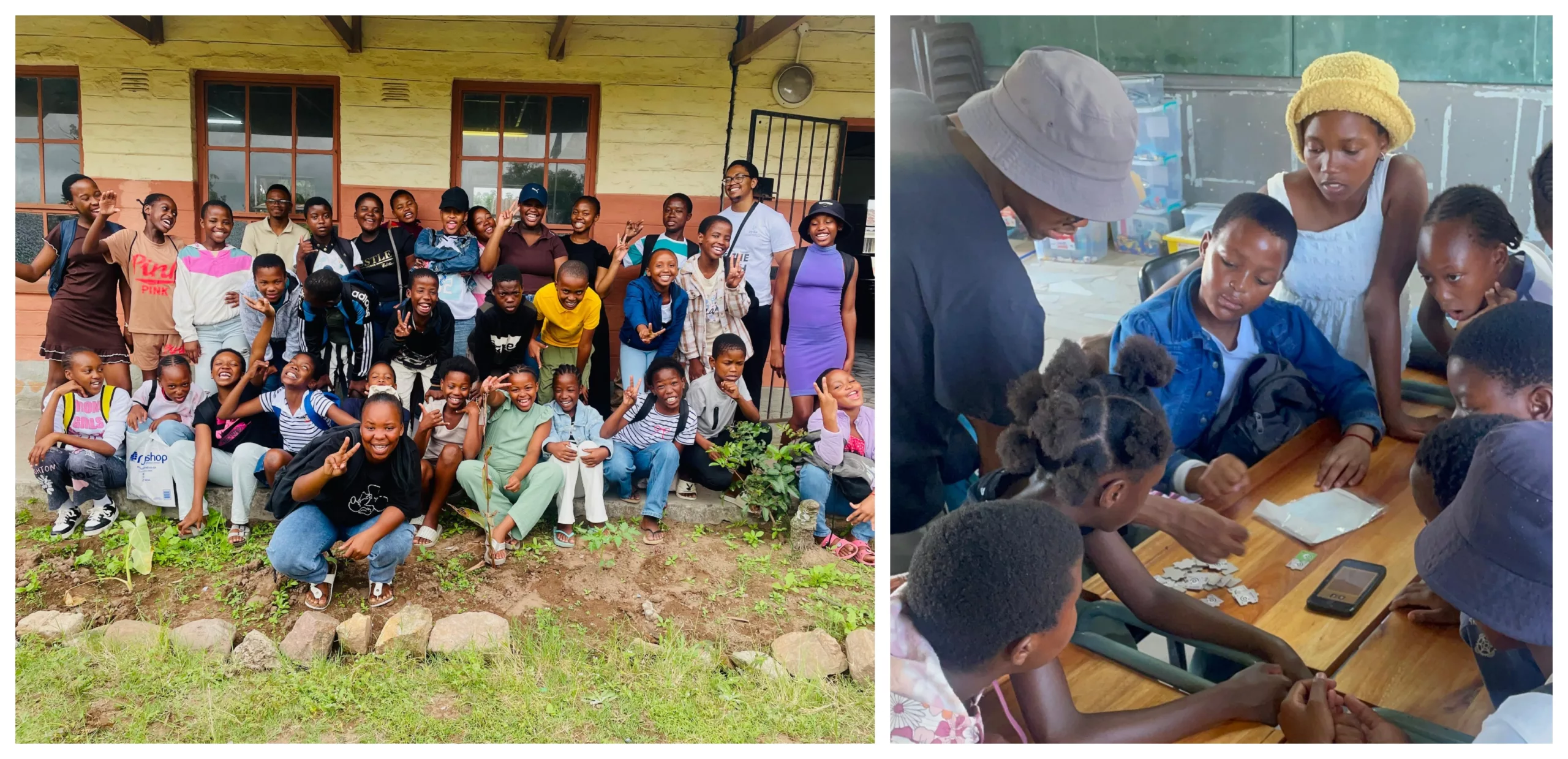
On day two, the programme moved deeper into coding. Learners used the Rangers Classroom Coding Kit, a game-based platform that turns coding into an interactive adventure. Through the Rangers mobile app and puzzle-shaped coding boards, learners were introduced to beginner and intermediate coding concepts such as line-by-line commands, if statements and while loops. They later applied these newly gained skills to build and programme more advanced LEGO Spike Prime robots to carry out specific tasks.
The final day brought an even broader look at the future of technology. Learners were introduced to the ethical and responsible use of artificial intelligence, exploring platforms such as ChatGPT, Gemini AI, Grok and DeepSeek.
They also used Gemini as a support tool in completing their challenge for the day, showing how AI can be used responsibly to assist with creative and technical problem-solving.
Day three also challenged learners to go beyond guided builds. Instead of simply following instructions, they designed and built multi-functional robots aimed at solving real-world problems, demonstrating both their creativity and their growing confidence with engineering and coding concepts.
Learners assembled and flew Air:bit drones powered by Micro:bit, giving them a thrilling introduction to flight technology and applied coding. The programme further showcased the world of 3D printing, with printers on display and custom-made Counter Space key tags shared as memorable giveaways for the learners.
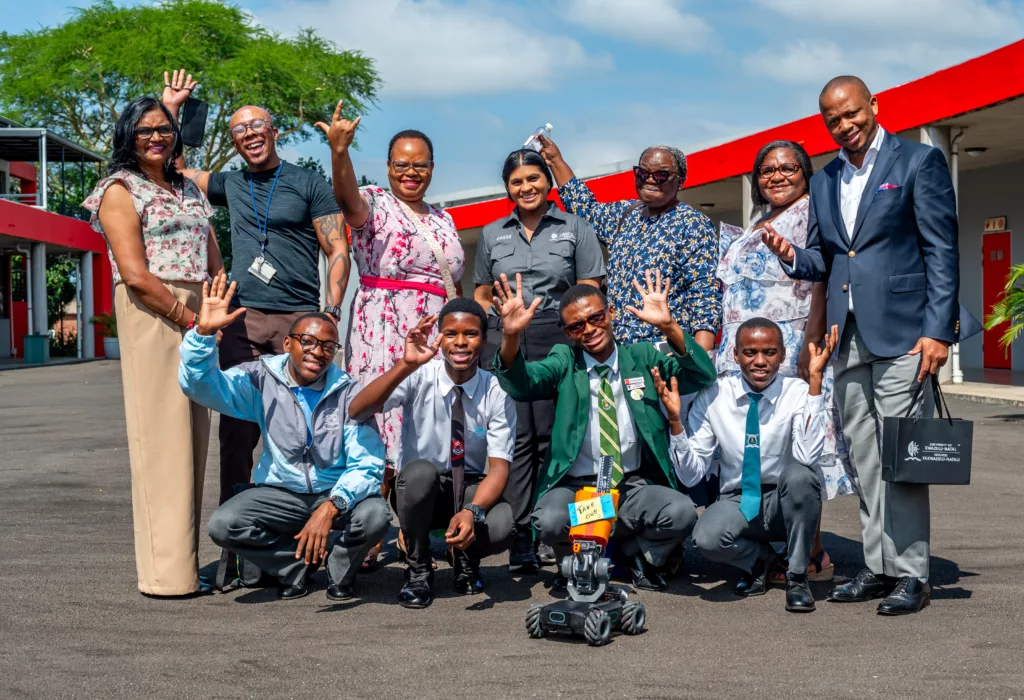
One of the standout moments of the programme was the reveal of Counter Space Learning’s own robotics prototype, the Enviro Truck Toolkit. Developed from ideas inspired by previous learners, the toolkit represents a bold step in locally inspired, learner-driven innovation. The prototype was accompanied by its own custom-built integrated development environment (IDE), featuring a block-based coding interface similar to Blockly, designed to make programming more accessible and engaging for young users. Its unveiling was not just a presentation of a new tool, but a powerful statement about what is possible when young people are given opportunities to imagine, design and create.
The programme was warmly received by the school and surrounding community, with an average daily attendance of 28 learners, reflecting both strong interest and consistent engagement throughout the three days.
Tech4Tomorrow was made possible through the support of a number of partners and sponsors. Appreciation goes to Tangible Africa Group for the Rangers Classroom Coding experience, Ms Noxolo Buthelezi for sponsoring refreshments for the learners, RS South Africa and sponsor SMART LAB for supporting the Air:bit drone experience, and CEZEARS 3D Engineering Solution together with Mr Philani Ngcobo for lending 3D printers for the showcase.
Tech4Tomorrow plans to return during the June winter school programme, continuing its mission to inspire and equip the next generation of innovators.